Vitamin D is a vitamin that helps regulate calcium metabolism in the body and is vital for bone health. It is believed that safe exposure to sunlight during the summer months and a healthy, balanced diet are sufficient for most people’s daily vitamin D needs. However, as we enter the fall and winter months, with lower levels of sunlight and people not getting enough vitamin D from their diet, it can be difficult to meet the daily requirement.
Vitamin D deficiency causes bones to soften and weaken. This is called osteomalacia in adults and rickets in children. Vitamin D is particularly helpful in preventing osteoporosis (osteoporosis). In addition, the vitamin acts as an immune system regulator.
The symptoms of vitamin D deficiency vary from person to person. Typical symptoms include
– Joint pain
– Fatigue
– Muscle pain and weakness
– Bone pain
– Numbness
– Low mood
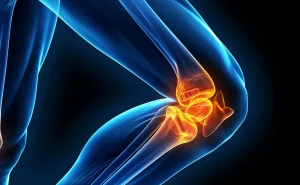
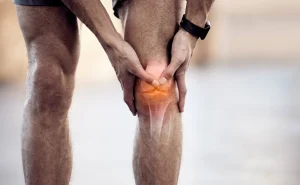
Vitamin D is vital for bone and muscle function, but there is research on its association with joint pain and osteoarthritis in particular. Several studies show that low levels of vitamin D can lead to increased joint and muscle pain. One study compared the degree of cartilage wear with blood vitamin D levels in 158 patients with advanced cartilage wear in the knee. According to this study, which was conducted with patients over the age of 50 and with varying degrees of knee pain, it was investigated whether there was a relationship between serum vitamin D and how advanced the patients’ knee osteoarthritis was, and accordingly, it was shown that most patients with vitamin D deficiency had more advanced arthritis findings. This study suggests that vitamin D deficiency should be considered in patients with knee osteoarthritis and that vitamin D deficiency should be treated in addition to osteoarthritis.
How do you get vitamin D?
The body can make vitamin D through exposure to sunlight or get vitamin D from the diet. The main sources of vitamin D include
Sunlight
Our skin can make vitamin D from ultraviolet B (UVB) light when exposed to the sun. When it is more difficult to spend time in the sun, such as during the winter months, it is much harder to get enough vitamin D from sunlight, so it may be necessary to get this vitamin from dietary sources.
Foods
Foods that are rich in vitamin D and should therefore be included as much as possible in the daily diet;
– Fatty fish such as salmon, mackerel and tuna
– Milk and dairy products such as yogurt and cheese
– Liver
– Egg yolk
– Mushroom
Supplements
Vegetarians or older adults may find it difficult to get enough vitamin D, especially in winter. These people and those with a vitamin D deficiency based on tests can take vitamin D supplements. Too much vitamin D can cause toxicity, so it is best to talk to a doctor or health professional before taking new supplements and follow their recommended dosage.
Other lifestyle changes to prevent joint pain
If you have osteoarthritis, there are other lifestyle changes you can make to support your health and relieve your symptoms. These include regular gentle exercise and stretching of the affected joint, watching your body weight, losing weight if you are overweight, avoiding heavy work on the knee and quitting smoking.